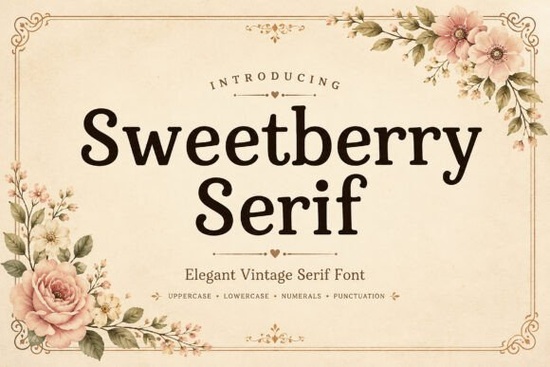
Finding the right typeface for a boutique brand or a cozy café menu often means balancing readability with a distinct personality. If you want your design to feel warm and approachable without losing a professional edge, the Sweetberry Serif Font is a strong choice. It combines classic letterforms with soft, vintage-inspired curves, making it highly versatile for everything from wedding invitations to handcrafted product packaging. Designers and small business owners often look for this specific balance to ensure their text is both legible and visually engaging.
What makes a vintage-inspired serif work for modern branding?
When you design a brand identity, the typography sets the immediate tone. A purely modern sans-serif can sometimes feel too cold or corporate for a small, handcrafted business. On the other hand, heavily distressed vintage fonts can be difficult to read at smaller sizes.
This typeface sits right in the middle. It features a classic structure but includes gentle curves and subtle nostalgic details. When comparing it to other traditional options, like the heritage-style typefaces popular in historical branding, you will notice it has a slightly softer, more approachable feel. This makes it highly effective for brands that want to communicate trust and history without looking outdated.
Where should you use this typeface in your design projects?
Because of its balanced letterforms, this font adapts well to various mediums. Print-on-demand sellers and crafters will find it particularly useful for physical products where texture and detail matter.
Here are a few practical ways to apply it:
- Packaging and Labels: Use it for artisan candle labels, coffee bags, or cosmetic packaging where a premium, handcrafted look is essential.
- Wedding and Event Stationery: The elegant curves work beautifully for invitation suites, seating charts, and menu cards.
- Social Media Graphics: It provides a clean, stylish contrast when layered over photography for Instagram carousels or Pinterest pins.
- Editorial Layouts: Use it for pull quotes, chapter titles, or short paragraphs in zines and lookbooks.
If your project needs a slightly more decorative touch for the main headings, you might also explore elegant script and serif combinations to see what fits your specific aesthetic.
How do you pair this font with other typefaces?
Font pairing can make or break a design. Since this typeface has a lot of character and soft details, it pairs best with clean, simple fonts that do not compete for attention.
Best Pairing Strategies
- Contrast with a geometric sans-serif: Use a simple, modern sans-serif for your body copy. The clean lines will make the vintage details of your serif headings stand out.
- Keep it monochromatic: If you are using this font for both headings and subheadings, vary the weights and sizes rather than mixing in a third font.
- Allow for breathing room: Increase the line height and letter spacing slightly. Vintage-inspired serifs need adequate white space to remain legible.
Browsing through our curated collection of similar vintage serifs can also help you find the perfect complementary typeface for your specific layout.
What technical details should you check before installing?
Before you start designing, it is important to understand how serif typography behaves on different screens and in print. According to standard typographic guidelines for serif typefaces, the small strokes at the ends of letters help guide the eye along lines of text, but they can also blur if the font size is too small on low-resolution screens.
To ensure the best results:
- Check that you have both OTF and TTF file formats installed for maximum software compatibility.
- Test the font at your intended print size. If the delicate curves fill in with ink, you may need to increase the point size slightly.
- Review the commercial licensing terms to ensure you are covered for print-on-demand products or client branding work.
Quick Setup Checklist for Your Next Project
- Install the font files and restart your design software to ensure they appear in the font menu.
- Set your heading size and adjust the tracking (letter spacing) to -10 or -20 for a tighter, more cohesive look in uppercase words.
- Increase the leading (line spacing) to at least 1.5 for any body text or longer paragraphs.
- Export a test print or a low-resolution proof to check how the fine details hold up before finalizing your design.
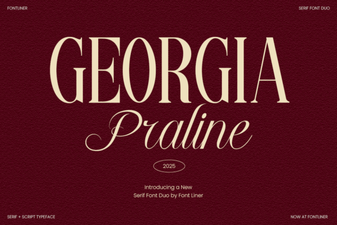 Georgia Praline Font: a Handcrafted Classic
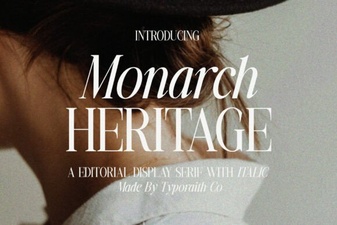 Monarch Heritage Font for Classic Design Projects
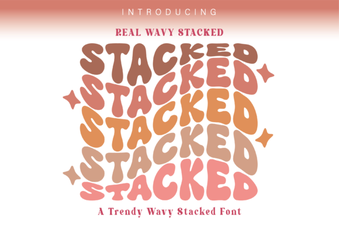 Wavy Font Styles for Creative Web Design
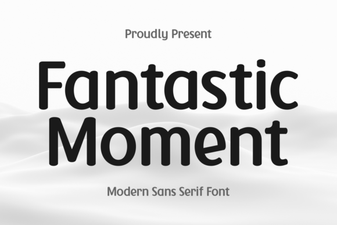 Fantastic Moment Font: Creative Design Styles & Ideas
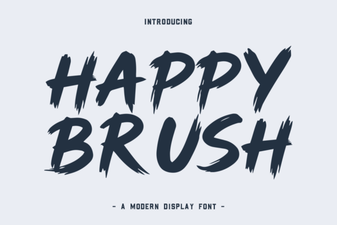 Happy Brush Font Ideas for Joyful Projects
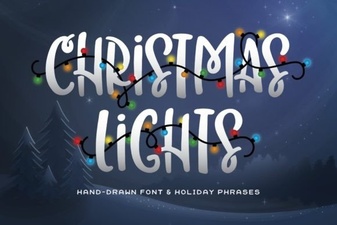 Illuminating Your Christmas Font Design Projects