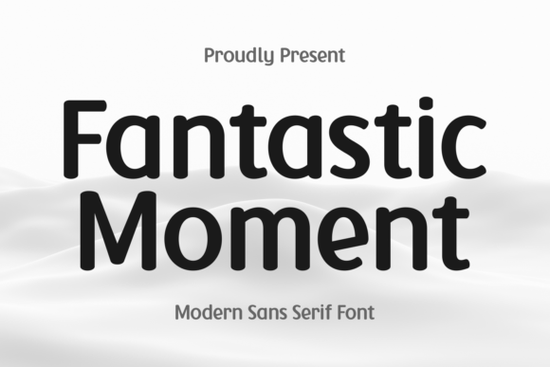
Finding the right typeface for a new project often comes down to balancing readability with personality. When you need clean lines that still feel approachable, the Fantastic Moment Font is a highly practical choice. This sans serif typeface brings a minimalist charm to the table, blending subtle retro vibes with a fresh, modern look. Whether you are cutting vinyl for a custom t-shirt or designing a logo for a new boutique, having a reliable, everyday font saves time and keeps your work looking professional.
What makes a clean typeface ideal for Cricut and sublimation?
Crafters and print-on-demand sellers know that intricate details can cause headaches during production. When cutting adhesive vinyl or heat transfer vinyl, thin strokes and tight gaps often lead to tearing or weeding frustrations. A font with straightforward, uniform strokes solves this problem by allowing the blade to glide smoothly through the material. If you are working on heavy apparel, you might also look at options designed specifically for streetwear, similar to how you would approach a bold casual typeface for hoodies.
For sublimation printing, ink bleed can blur delicate edges on light-colored fabrics. The sturdy geometry of this font ensures your text remains crisp on mugs, tumblers, and polyester shirts. Its casual ease makes it perfect for everyday quotes, funny coffee mug sayings, and motivational phrases that sell well in local craft markets and online stores.
How can small businesses use minimalist typography for branding?
Branding requires visual consistency across multiple platforms. Small business owners need a typeface that scales well from a tiny social media profile picture to a large storefront banner or trade show display. The minimalist structure here provides a solid foundation for logos, product packaging, and business cards. It avoids the visual clutter that can distract customers from your core message and makes your brand look established.
When designing promotional materials, pairing this font with a more decorative option works beautifully. For instance, you might use a softer, more romantic typeface for the main headline and rely on this clean sans serif for the supporting details, pricing, and contact information. This contrast guides the reader's eye, creates a clear visual hierarchy, and keeps the overall layout organized and easy to read.
Does it work for wedding stationery and multilingual text?
While sans serif fonts are usually associated with corporate or modern tech designs, the subtle charm of this typeface allows it to cross over into wedding stationery. It works exceptionally well for minimalist wedding invitations, acrylic seating charts, and large welcome signs where readability from a distance is just as important as aesthetics. The clean lines ensure guests can easily find their names and table numbers.
Another major advantage for designers working with international clients is the extensive character set. It includes support for Eastern European text styles and multilingual characters. This means you do not have to substitute missing glyphs or switch fonts midway through a project when typing names, vows, or locations in different languages. If you need a slightly different vibe for a wedding photo album layout, exploring a nostalgic style suited for photo captions can also add a nice personal touch to your memory books.
How should you set up your files for the best results?
Getting the most out of any typeface requires proper file preparation and an understanding of typographic spacing. Before sending your design to the printer or the cutting machine, adjust the kerning and tracking to ensure the letters sit comfortably together. You can always review the full character map and licensing details to make sure you have the right files for commercial use and understand the exact glyphs included in the package.
Quick pre-production checklist for crafters and designers
- Outline your text: Always convert your fonts to outlines or paths before sending files to a commercial printer or sharing them with a client to avoid missing font errors.
- Check the weeding gaps: If cutting vinyl, zoom in at 200% to ensure the inner counters of letters like e, a, and o are large enough to weed without tearing.
- Test your spacing: Print a quick paper draft of your layout to check if the line height and letter spacing feel comfortable to read at the intended physical size.
- Verify commercial rights: Double-check your license if you plan to sell physical products featuring the typography, ensuring you are cleared for print-on-demand or small business sales.
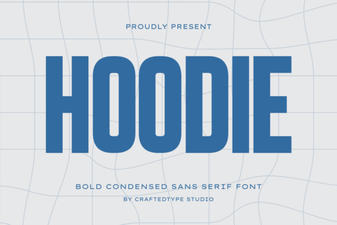 Designing Hoodie Fonts for Creative Streetwear
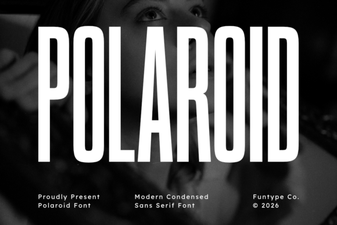 Polaroid Fonts for Creative Retro Projects
 A Beautiful Font for Modern Web Design
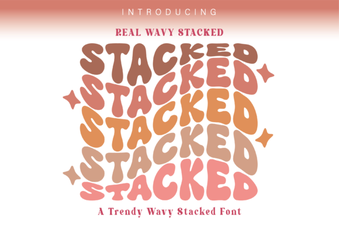 Wavy Font Styles for Creative Web Design
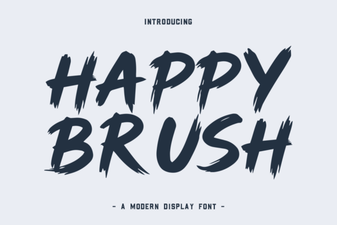 Happy Brush Font Ideas for Joyful Projects
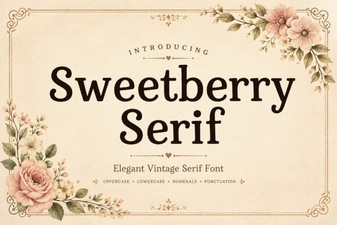 Sweetberry Serif Font: Elegant Design Projects & Tips