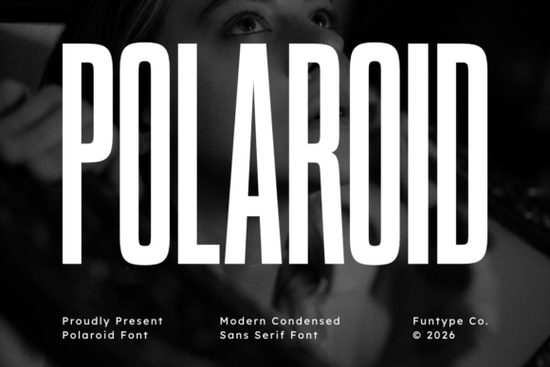
When you need typography that commands attention without taking up too much horizontal space, a condensed typeface is usually the best choice. The Polaroid Font fits this exact need. It is a towering, robust modern sans serif designed specifically for high-impact display work. Whether you are working on retro fashion branding, cinematic film posters, or high-end merchandise packaging, this narrow geometric layout gives your text a confident and sleek presentation.
Designers and print-on-demand sellers often struggle with fitting long headlines onto standard canvases. A narrow geometric block layout solves this problem by maximizing vertical space. This allows you to use large, readable text sizes on t-shirts, tote bags, and posters without the words wrapping awkwardly or running off the edge of the design.
What makes a condensed typeface work for merchandise?
Merchandise design requires lettering that is legible from a distance. The deep vertical contrast in this typeface ensures that the thick and thin strokes remain distinct, even when printed on textured fabrics like canvas or heavy cotton. Small businesses creating streetwear collections will find that tall, bold letters naturally draw the eye.
If you are building a clothing line, checking out other typography options for streetwear and hoodies can help you build a diverse product catalog. Having a few reliable, heavy display faces in your toolkit means you can quickly mock up new designs without spending hours searching for the right fit.
How do you pair tall display letters with other styles?
Using a heavy, narrow font for your main headline means your secondary text needs to provide visual relief. You want to avoid using another condensed face for your subheadings, as this will make the entire design feel cramped and difficult to read.
- Contrast with wider styles: Pairing a heavy display face with a softer, more relaxed sans serif creates a nice visual balance for website headers and social media graphics.
- Mix with scripts: Alternatively, mixing it with a handwritten script style adds a personal, human touch to greeting cards, wedding invitations, or boutique packaging.
- Use simple serifs: A classic, readable serif font works beautifully for body copy beneath a towering main title, especially in editorial layouts or magazine spreads.
Which file formats do you need for commercial printing?
This package includes both OTF (OpenType) and TTF (TrueType) files. For most standard design work, either format will function perfectly. However, professional printers and advanced typographers generally prefer OTF files because they support more complex typographic features, like alternate characters and ligatures.
TTF files, on the other hand, are universally supported and often easier to install for beginners using basic word processors or simple crafting software. Keeping both versions in your organized font folder saves time when switching between different programs. Whether you use Adobe Illustrator for vector logos, Photoshop for digital mockups, or Cricut Design Space for crafting vinyl decals, the files will install and render correctly on both Windows and Mac operating systems.
Where does this typeface fit in a retro branding project?
Retro and vintage aesthetics rely heavily on strong, structured typography. The nostalgic yet timeless look of this lettering style mimics the bold signage found in mid-century advertisements and classic cinema marquees. You can review the full details of this specific condensed typeface to see how it performs in vintage-inspired layouts.
Crafters making custom wood signs or acrylic decals will also appreciate the clean, straight lines. The geometric block layout means there are no fragile, overly thin serifs that might break during the weeding process on a cutting machine. To get the most out of a retro look, try adjusting the kerning (letter spacing). Tightening the spacing slightly can make the words feel more cohesive and block-like, which is a common technique in 1970s and 1980s graphic design.
What should you check before finalizing your artwork?
Before you send your design to a commercial printer or publish it online, run through this quick checklist to ensure your typography looks professional:
- Check the hierarchy: Ensure your main headline is significantly larger and bolder than your subheadings and body text.
- Test the readability: Zoom out to 25% on your screen. If you cannot read the main text easily, you may need to increase the font size or adjust the contrast against the background.
- Verify the licensing: Always double-check your commercial license terms before selling physical products or digital templates featuring the typeface.
- Outline your text: When sending files to a commercial printer, convert your text to outlines or paths so the font renders perfectly, even if the printer does not have the file installed on their system.
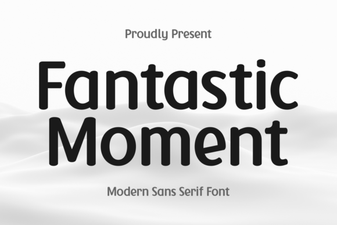 Fantastic Moment Font: Creative Design Styles & Ideas
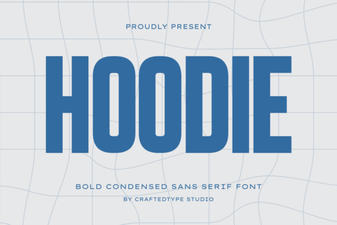 Designing Hoodie Fonts for Creative Streetwear
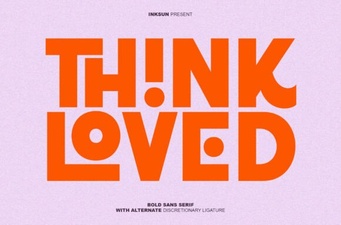 A Beautiful Font for Modern Web Design
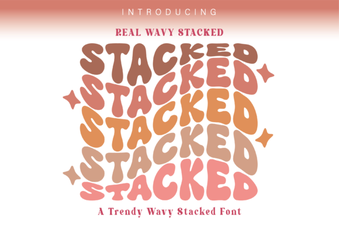 Wavy Font Styles for Creative Web Design
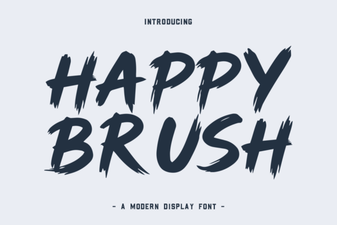 Happy Brush Font Ideas for Joyful Projects
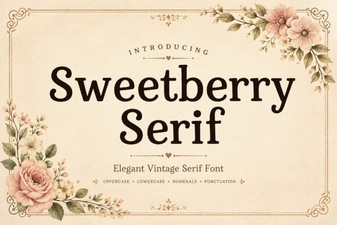 Sweetberry Serif Font: Elegant Design Projects & Tips