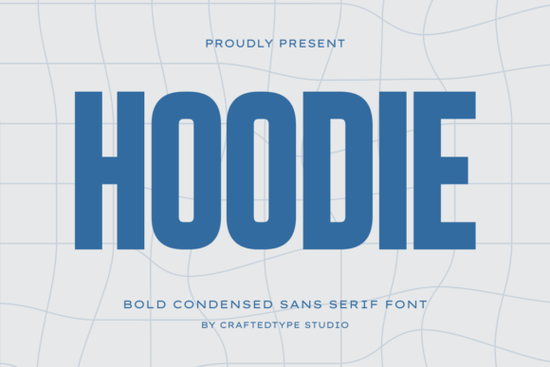
When designing apparel or bold graphics, the typography you choose sets the entire tone. The Hoodie Font is a commanding, bold condensed sans serif built specifically for high-impact visuals and urban aesthetics. With its tall, compact letterforms and thick strokes, it gives off a strong industrial and sporty vibe. If you are creating streetwear, sports jerseys, or gym clothing, this typeface provides the heavy visual weight needed to make your text stand out on fabric. Choosing the right lettering can be the difference between a design that looks amateur and one that looks like a premium retail brand.
What makes a good streetwear typography choice?
Streetwear and urban fashion rely heavily on bold, readable text. Thin or overly decorative scripts often get lost on heavy cotton fabrics or busy graphic layouts. A condensed style allows you to fit longer words or phrases across the chest or back of a garment without making the text too small. When picking out typefaces for your clothing line, you want something that feels grounded and energetic. Designers often use these heavy styles to create a sense of urgency and confidence. The narrow width also helps when you are working with limited horizontal space on a tag or label. If you are exploring other options for your apparel brand, you might also look at other bold sans serif styles that offer a similar heavy, industrial feel.
How does this typeface work for Print on Demand and crafting?
For POD sellers, readability and impact are everything. Customers scrolling through a marketplace need to read your shirt design instantly. This font's thick, solid strokes ensure the text remains crisp even when printed on textured materials like fleece or heavy cotton. When setting up your files for direct-to-garment (DTG) printing, make sure to keep the edges sharp and avoid adding unnecessary drop shadows that can muddy the thick strokes. For crafters using vinyl cutters, the solid structure means fewer delicate pieces to weed, saving you time on intricate lettering. It is highly effective for:
- Gym wear and athletic brands: The sporty, aggressive look fits perfectly on tank tops and workout gear.
- Streetwear drops: Use it for bold back prints or minimal, heavy chest logos.
- Esports and local sports teams: The tall, compact structure mimics classic varsity and modern athletic lettering.
The files come in both OTF and TTF formats, meaning they work smoothly across standard design software and crafting programs.
Where else can you use bold condensed sans serifs?
While it is named after a staple clothing item, this typeface is highly versatile for digital and print media. It works exceptionally well for cinematic film titles, modern branding, and YouTube thumbnails where you need to grab attention quickly. If your current project requires a slightly different mood, you could pair it with a clean, minimalist option like the retro-inspired everyday typefaces for your subheadings. Alternatively, if you are designing a more romantic or soft product line and need a contrast, you might browse through softer, modern sans serifs to balance your design portfolio. For highly energetic, fast-paced brands, looking into dynamic display fonts can also give you fresh ideas for campaign headers.
How do you access special characters and glyphs?
One common frustration for designers is finding specific alternates or symbols hidden inside a file. This typeface is fully PUA (Private Use Area) encoded. This means you can easily access all special characters without needing professional design software. This is especially useful when you are working in crafting software like Silhouette Studio or Cricut Design Space, which sometimes struggle to read standard OpenType features. If you are using a basic text editor or a free design tool, you can simply open your computer's character map, copy the specific glyph you need, and paste it directly into your canvas. To understand how heavy typefaces shape urban branding, you can research the history of the Hoodie font aesthetic in modern street culture. If you are ready to test it on your next project, you can download Hoodie and start experimenting with your layouts.
What should you check before sending your design to print?
Before you finalize your apparel files, run through this quick preparation checklist to ensure the best possible print results:
- Outline your text: Always convert your type to outlines or shapes before sending the file to a printer to avoid missing font errors.
- Check the contrast: Ensure your thick strokes stand out against the fabric color, especially on dark heather grey or navy garments.
- Mind the tracking: Condensed fonts often need slight adjustments to letter spacing. Tighten the tracking for a solid block of text, or loosen it slightly for a more modern, breathable look.
- Test the scale: Print a paper mockup at actual size to see how the thick strokes hold up when scaled down for a small left-chest logo.
 Fantastic Moment Font: Creative Design Styles & Ideas
 Polaroid Fonts for Creative Retro Projects
 A Beautiful Font for Modern Web Design
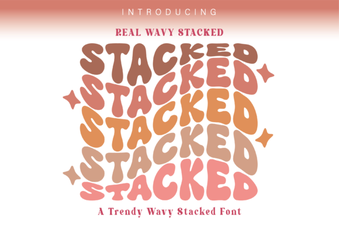 Wavy Font Styles for Creative Web Design
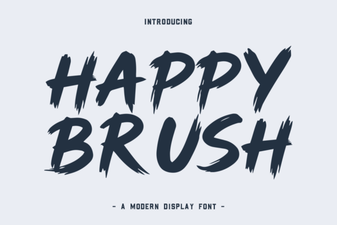 Happy Brush Font Ideas for Joyful Projects
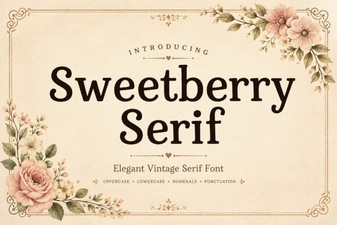 Sweetberry Serif Font: Elegant Design Projects & Tips