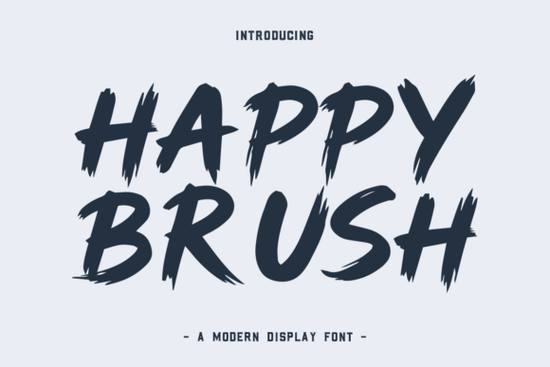
Finding the right handwritten typeface can make or break a creative project. If you need a typeface that feels genuinely hand-painted rather than digitally manufactured, the Happy Brush Font is a solid choice for your toolkit. It mimics natural brush strokes with organic textures and slightly imperfect lines, giving your text a warm, approachable, and spontaneous look. This display typeface works exceptionally well for crafters, small business owners, and print-on-demand sellers who want their merchandise or branding to feel personal and handcrafted.
What projects work best with a playful brush typeface?
When designing wedding invitations or baby shower stationery, this lively script adds a friendly touch without looking too formal. It is also highly effective for product packaging, especially for artisanal goods like handmade soaps or small-batch candles. If you are designing merchandise for a print-on-demand shop, pairing this casual script with bolder, distressed lettering creates a great visual contrast on t-shirts and tote bags. For crafters using vinyl cutting machines, the smooth, flowing strokes are generally easy to weed, provided you do not scale the text down too small. The core letterforms remain solid enough for physical applications like wood signs or acrylic decals.
For social media graphics, the energetic rhythm easily grabs attention in Instagram stories or Pinterest pins. You might combine it with uplifting, positive quote designs to create highly shareable content for your audience. While it shines in casual settings, you can still use it for modern branding if you balance it with clean sans-serif body text. If your brand leans more toward vintage-inspired aesthetics, this typeface bridges the gap between nostalgic and contemporary, giving your layouts a fresh, handcrafted feel.
How do you pair handwritten fonts effectively?
Pairing a highly textured brush script requires a careful approach to maintain readability. Because the main typeface has a lot of personality and organic movement, your secondary font should be simple and structured. A geometric sans-serif or a clean, minimal serif works best for body copy, pricing details, or secondary information. This contrast ensures your main message stands out while the supporting text remains easy to read.
If you are working on a project that requires multiple decorative elements, you might want to explore cute, colorful pairing options to keep the overall layout cohesive and playful. Alternatively, for high-end stationery where you need a mix of casual and formal elements, blending a relaxed brush style with elegant monogram layouts can yield beautiful, customized results for your clients. The key is to let the brush script be the star of the show while the other elements support it.
What settings should you adjust for the best results?
Getting the most out of a hand-lettered display font means paying attention to your software settings. Here are a few technical adjustments to keep in mind:
- Avoid all-caps: Brush scripts are designed with specific connecting strokes and varying heights. Typing in all capital letters usually breaks the natural flow and makes the text difficult to read.
- Adjust the tracking: Hand-lettered typefaces often need slight tracking adjustments. If the letters feel too cramped, increase the tracking slightly. If the connecting strokes look disconnected, tighten the spacing.
- Mind the leading: Because brush fonts have tall ascenders and deep descenders, you need to increase your line spacing to prevent the letters from overlapping on the next line.
- Use it sparingly: Reserve this typeface for headlines, logos, or short quotes. Using it for long paragraphs will strain the reader's eyes and dilute its visual impact.
Before finalizing your design and sending it to print or publishing it online, run through this quick checklist to ensure your typography looks professional:
- Check that no letters are awkwardly overlapping or touching in unintended ways.
- Ensure the text is legible from a normal viewing distance, especially on mobile screens.
- Verify that the font style matches the overall mood of your brand or product.
- Test the design in both color and black-and-white to confirm it holds up without relying on bright colors.
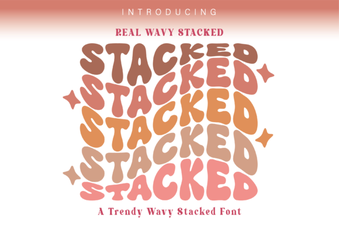 Wavy Font Styles for Creative Web Design
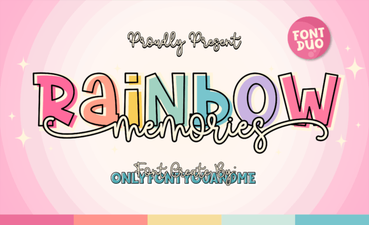 A Creative Typeface for Nostalgic Designs
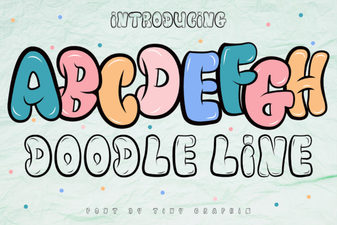 Doodle Line Font: Creative Typography for Your Projects
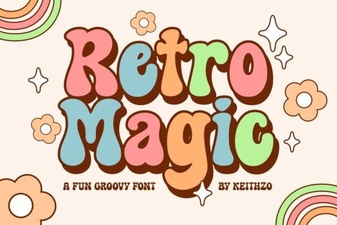 Retro Magic Fonts for Creative Design Projects
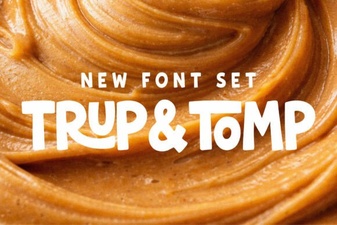 Trup & Tomp: Elegant Fonts for Modern Design
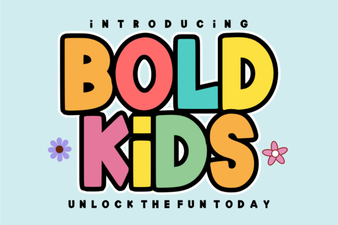 Creative Projects & Design Tips for Bold Kids Fonts