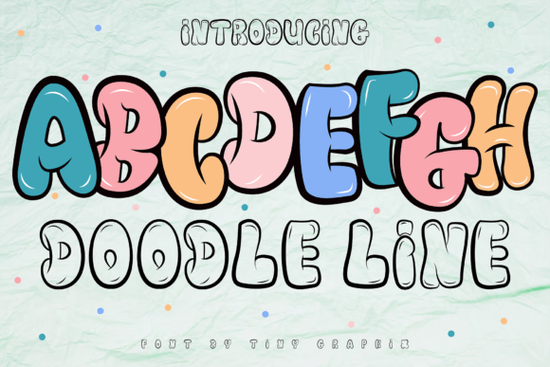
Finding the right typography for streetwear apparel or indie game logos can be tricky. You need something that feels authentic without looking messy. The Doodle Line Font offers a fun, hand-drawn graffiti style that works perfectly for these exact scenarios. It gives off a casual, urban vibe while keeping the letters readable enough for branding and merchandise. If you are a print-on-demand seller or a small business owner looking for a fresh display typeface, this style brings a lot of personality to your visual identity.
What makes a good graffiti font for merch and logos?
When printing on t-shirts, stickers, or tote bags, legibility is just as important as visual flair. Highly complex wildstyle graffiti might look incredible on a subway train, but it rarely works for a commercial brand logo. A good street-art typeface keeps the bold, dynamic energy of urban lettering but simplifies the strokes so customers can actually read your brand name. This is especially true for cartoon-style projects or mobile game titles, where the text needs to be instantly recognizable at smaller sizes. The slightly rough, sketched edges give it a human touch that rigid, geometric typefaces simply cannot match.
How do you pair street-style fonts with other typefaces?
Mixing different typography styles helps create a balanced, professional layout. Since a graffiti display font carries a lot of visual weight, you want to pair it with something cleaner for your subheadings or body text. For example, if you are designing a playful poster, you might combine your main street-art heading with a softer, hand-lettered option like the casual brush styles available here to maintain an organic feel.
If your project leans more toward a collegiate or sports theme, blending urban styles with classic athletic lettering can create a really interesting contrast for modern streetwear brands. Alternatively, for a more nostalgic project, you could mix it with vintage-inspired display styles to bridge the gap between old-school hip-hop culture and contemporary graphic design.
When building a full typography kit, it helps to have a few distinct moods on hand. You might use a bold, quirky alternative for secondary headings, while keeping the sketched urban aesthetic strictly for your main logo or hero text. This prevents your overall design from looking too chaotic or cluttered.
Where does this style work best in print and digital projects?
The casual, hand-drawn nature of this lettering makes it highly versatile for both physical and digital mediums. Print-on-demand sellers often use it for niche apparel, like skate culture t-shirts or urban exploration stickers. Small businesses, particularly those in the food truck, craft beverage, or local street food space, use similar edgy typography to stand out from corporate competitors.
In the digital space, indie game developers rely on these fonts for title screens, app icons, and in-game dialogue. The slightly imperfect lines mimic the feel of a comic book or a cartoon, making it highly engaging for younger audiences. Crafters also love using this style with vinyl cutting machines for custom water bottles and laptop decals. The thicker, continuous lines weed easily and hold up well over time without peeling at the edges.
How should you prepare your files for production?
Before finalizing your design and sending it to print or cutting, run through this quick typography checklist to ensure the best results:
- Check readability: Step back from your screen and see if you can read the text in under three seconds. If not, simplify the layout.
- Test at different sizes: Shrink your logo down to a favicon or profile picture size to ensure the sketched lines don't blur together into a solid blob.
- Mind the kerning: Display fonts often need manual spacing adjustments. Pay close attention to letters with wide overhangs or unusual angles.
- Outline your text: Always convert your type to outlines or paths before sending files to a printer or vinyl cutter to avoid missing font errors.
- Limit your palette: Stick to two or three high-contrast colors so the intricate details of the lettering remain the clear focal point.
Take a few minutes to sketch out your layout on paper before moving to your design software. Planning your visual hierarchy early will save you hours of tweaking later and keep your creative process focused.
Try It Free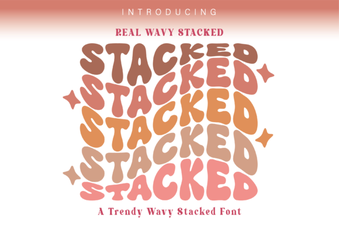 Wavy Font Styles for Creative Web Design
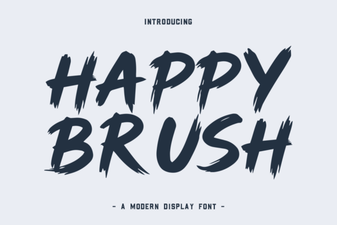 Happy Brush Font Ideas for Joyful Projects
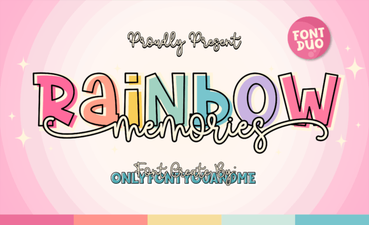 A Creative Typeface for Nostalgic Designs
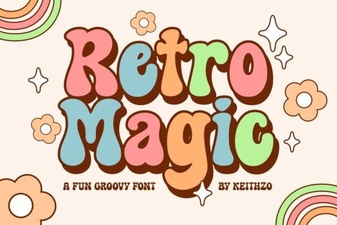 Retro Magic Fonts for Creative Design Projects
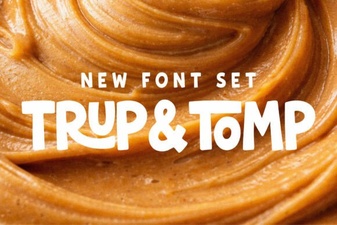 Trup & Tomp: Elegant Fonts for Modern Design
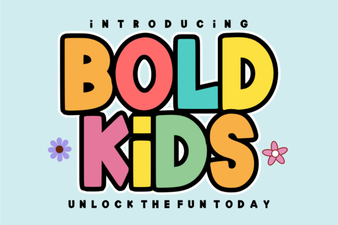 Creative Projects & Design Tips for Bold Kids Fonts