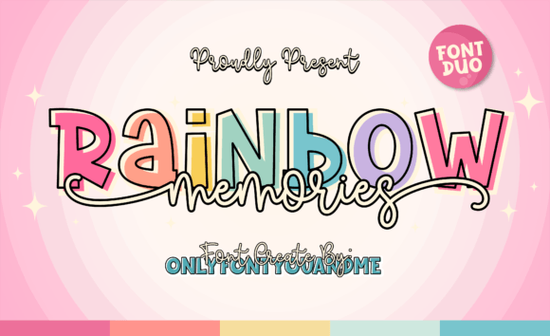
Finding the right typography for a romantic or personal project often means looking for a balance between readability and artistic flair. The Rainbow Memories Font is a handwritten duo typeface that brings a very strong, distinctive character to the table. Its flowing curves and smooth lines make it an excellent choice for designers and crafters who want their work to feel intimate and elegant. Whether you are setting up a new shop on Etsy or designing a custom piece for a client, having a reliable script in your toolkit saves time and improves the final look.
What makes a handwritten duo font work for wedding stationery?
Wedding invitations require a delicate touch. You want the text to feel personal, like it was written by hand, but it still needs to be legible for your guests. A duo font setup usually includes a sweeping script for the names and headers, paired with a clean sans-serif or simple serif for the details like dates and addresses. This specific typeface offers that elegant script style, allowing you to create beautiful focal points on your invites. When you pair it with a simple, readable secondary font, the overall design feels sophisticated without becoming cluttered. Small business owners in the stationery niche will find this approach highly effective for creating cohesive branding across save-the-dates, menus, and place cards. Choosing the right paper stock, like a textured cotton blend, will also enhance the handwritten feel of the final printed piece.
How can crafters and print-on-demand sellers use this style effectively?
If you make physical products, typography is just as important as the graphics. Flowing scripts look fantastic on items like coffee mugs, tote bags, and wooden signs. The smooth lines of this typeface translate well to vinyl cutting machines, meaning fewer weeding headaches when you make custom stickers or decals. For print-on-demand sellers, using an elegant script on a minimalist t-shirt or a canvas wall art piece can attract buyers looking for heartfelt, personalized gifts. Just make sure to test your designs on different colored backgrounds to ensure the thinner lines of the letters remain visible and crisp. When cutting vinyl, slightly increasing the line thickness in your cutting software can prevent the delicate edges from tearing during the weeding process.
When should you choose a different typeface style?
While elegant scripts are perfect for romantic or sophisticated projects, they are not the right fit for every design. If you are working on a children's book or a playful classroom poster, you might want to look at something more rounded and bouncy, like a friendly typeface designed for younger audiences. Similarly, if your project requires a highly ornate, single-letter focus for luxury packaging, exploring a classic monogram option might serve you better.
For streetwear brands or edgy merchandise, a smooth script will feel out of place. In those cases, a grungy, heavy lettering style captures the right attitude. And if you just want a relaxed, casual vibe for a summer sale flyer without the formal elegance, a laid-back lettering pair will keep things light and approachable. Sometimes, you just need a quirky, unconventional look, which is where a unique display choice can really make a poster stand out from the crowd.
What software settings give the best results with flowing scripts?
Getting a script typeface to look natural requires a bit of technical adjustment. When you type out a word, the letters might not connect perfectly right away. Here are a few settings to check in your design software to fix common issues:
- Enable Ligatures: This allows the software to automatically use special character combinations that connect smoothly without awkward gaps.
- Adjust Kerning: Manually tweak the space between specific letter pairs if they look too far apart or overlap in a messy way.
- Use Alternates: Many handwritten fonts include alternate characters. Swapping out a standard letter for an alternate version with a longer tail can make the word look much more natural.
- Avoid All Caps: Script fonts are rarely designed to be used in all capital letters. Stick to title case or lowercase for the best visual flow.
How do you prepare your final design for production?
Before you send your design to print or publish it online, run through this quick checklist to ensure your typography is fully ready for production:
- Check that all swashes and tails are fully inside the safe print margins so they do not get cut off.
- Verify that the thinnest parts of the letters are thick enough to print clearly on your chosen material, especially for fabric or wood.
- Read the text out loud to catch any spelling errors, since elaborate script fonts can sometimes make simple typos harder to spot.
- Test the design in black and white to confirm it relies on good contrast and strong shapes rather than just color to stand out.
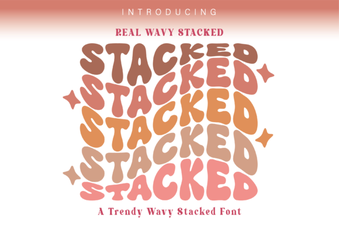 Wavy Font Styles for Creative Web Design
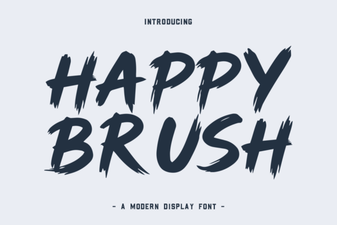 Happy Brush Font Ideas for Joyful Projects
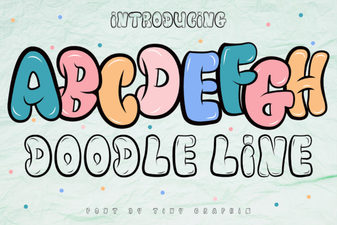 Doodle Line Font: Creative Typography for Your Projects
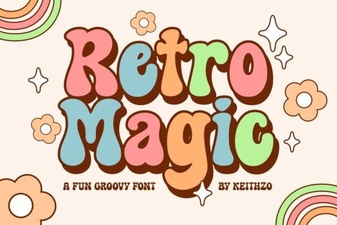 Retro Magic Fonts for Creative Design Projects
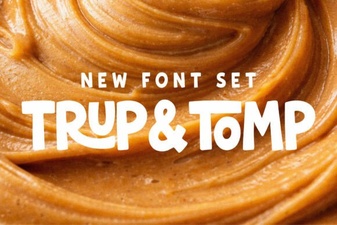 Trup & Tomp: Elegant Fonts for Modern Design
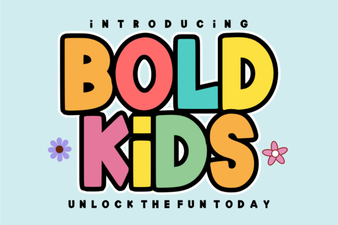 Creative Projects & Design Tips for Bold Kids Fonts