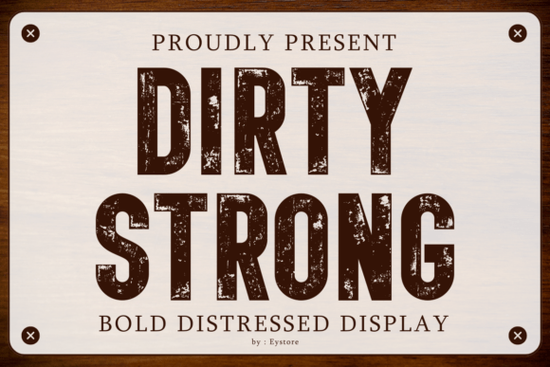
When you are designing merchandise for a rugged streetwear brand or creating labels for a local coffee roaster, the typography needs to carry some visual weight. The Dirty Strong Font delivers exactly that kind of heavy, textured presence. It is a distressed sans-serif display typeface built specifically for vintage industrial aesthetics. If your project requires a masculine, gritty feel, this eroded lettering style gives your designs an authentic, worn-in look right out of the box without requiring manual texturing in your design software.
What kind of projects work best with distressed typography?
Gritty, textured typefaces shine in environments where a polished, clean look would feel completely out of place. Print-on-demand sellers often use this style for graphic tees and canvas tote bags because the rough edges naturally mimic vintage screen printing techniques. It is also a highly effective choice for warehouse signage, garage logos, and automotive posters where a tough aesthetic is expected.
While this specific typeface leans heavily into industrial and rugged themes, you might sometimes need a completely different vintage vibe for a specific client. For instance, if you are working on a 1970s-inspired music poster, you could pair it with a groovy retro typeface to balance the heavy, dark textures with some nostalgic, flowing curves.
How do you pair a heavy display font with other typefaces?
Because this typeface is so bold and highly textured, it should strictly be used for headlines, main logos, or short impactful phrases. Using it for body text or long paragraphs will make your design nearly unreadable. To create a balanced layout, you need to contrast the rough edges with something much cleaner or entirely different in structure.
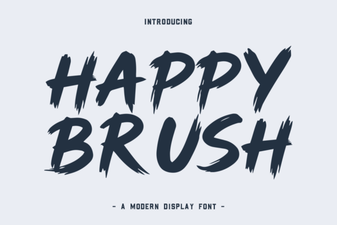
For a modern streetwear look, pair it with a simple, geometric sans-serif for the smaller details like website URLs, care instructions, or sizing information. If you are designing a playful craft project or a casual community event flyer, you might want to mix it with a hand-painted brush style to add a personal, human touch to the overall layout.
Another practical approach is to use a pre-matched set to save time. Sometimes, grabbing a ready-made duo package ensures your primary heading and subheading already share the right visual rhythm and spacing, taking the guesswork out of your typography choices.
Can you use textured fonts for coffee packaging and branding?
The specialty coffee industry frequently relies on rustic, industrial, or vintage aesthetics to communicate artisanal quality and small-batch care. An eroded sans-serif works beautifully on kraft paper bags, matte black pouches, and stamped cardboard shipping boxes. The imperfect, chipped edges suggest a hands-on, manual roasting process that appeals to coffee enthusiasts.
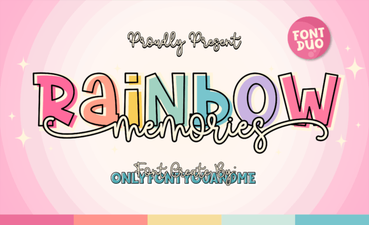
However, branding requires visual versatility across different products. If your coffee brand also sells sweet pastries or wants to appeal to a softer, more relaxed demographic, you might need to adjust your typography for certain items. You could introduce a cheerful, rounded pairing for your seasonal menu boards to lighten the mood in the cafe. Alternatively, if you are designing a limited-edition summer cold brew, a stacked wavy layout can give the packaging a fun, retro-surfer feel without losing the core artisanal edge.
What should you check before finalizing your typography?
Before you send your design to the printer or publish it online, run through a quick review to make sure your textured letters are performing well in the real world.
- Check the contrast: Make sure the distressed edges do not blend into a busy background pattern. Use solid, high-contrast colors for the best results.
- Test the readability: Step back from your screen or print a small test page. If the gritty texture makes the letters hard to read from a distance, scale the text up or simplify the wording.
- Verify the license: Always confirm whether your specific license covers commercial use and physical product sales, especially if you are selling t-shirts, mugs, or stickers.
- Limit the usage: Restrict this heavy typeface to one or two main elements per design to prevent visual clutter and keep the focus on your main message.
Taking a few extra minutes to review these practical details will save you from costly misprints and ensure your final merchandise looks exactly as you intended.
Download Now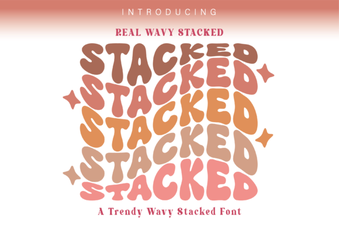 Wavy Font Styles for Creative Web Design
 Happy Brush Font Ideas for Joyful Projects
 A Creative Typeface for Nostalgic Designs
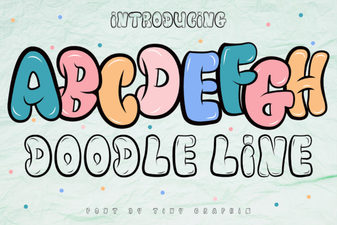 Doodle Line Font: Creative Typography for Your Projects
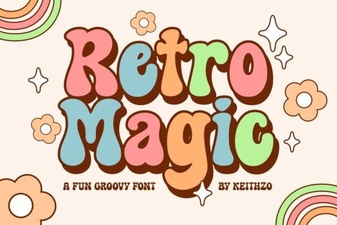 Retro Magic Fonts for Creative Design Projects
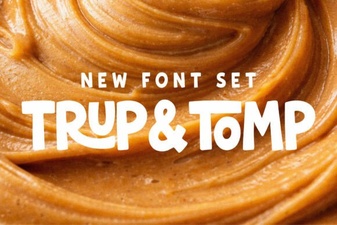 Trup & Tomp: Elegant Fonts for Modern Design