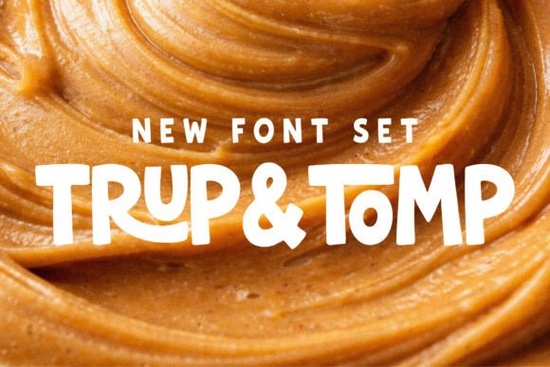
Finding the right typography can make or break a creative project, especially when you need something that feels both bold and approachable. The Trup & Tomp Font is a playful duo designed to solve this exact problem. It pairs a chunky, hand-drawn display sans-serif with a smooth handwritten script. This combination gives crafters, print-on-demand sellers, and small business owners a versatile toolkit for creating eye-catching headlines and warm branding without needing to be a professional typographer.
How does this font duo work for branding and packaging?
When designing product labels or packaging, readability and personality need to balance each other. The chunky sans-serif included in this set provides a solid, easy-to-read foundation for your main product names. Meanwhile, the smooth script adds a human touch, perfect for subheadings, taglines, or decorative accents.
If you are selling handmade goods or running a modern lifestyle brand, this contrast helps your items stand out on crowded shelves or busy digital storefronts. You can use the bold letters for the primary logo and weave the script through the packaging to create a cohesive, friendly look that appeals to your target audience.
What types of projects benefit most from playful display fonts?
Playful typography shines in projects that aim to evoke joy, nostalgia, or warmth. Children’s book covers, nursery wall art, and birthday party invitations are ideal use cases. The hand-drawn feel makes the text look custom and inviting, which is exactly what parents and gift-buyers look for when shopping for loved ones.
Beyond kids' products, this style works beautifully for:
- Social media graphics: Grabbing attention in a fast-scrolling feed with bold, readable text.
- Apparel design: Creating catchy, retro-inspired t-shirt slogans that pop on fabric.
- Cafe and bakery menus: Giving a warm, artisanal vibe to food and drink listings.
If you want to explore other options with a similar cheerful vibe, you might also enjoy looking at a colorful and sweet typeface collection for your nursery or kids' apparel lines.
How do you pair hand-drawn letters with other design elements?
Mixing highly stylized letters with other visual elements requires a bit of restraint. Because the primary sans-serif is thick and textured, it pairs best with clean, minimalist graphics or simple line art. If you are designing a poster, let the typography do the heavy lifting and keep the background illustrations subtle.
Sometimes, a project needs a slightly different mood. If your design requires something a bit more rugged or textured, you could contrast it with a grungier, heavier typeface to create an edgy, street-style aesthetic. On the other hand, if you are working on a nostalgic scrapbooking layout or a memory book, pairing your main text with a soft, retro-inspired lettering style can enhance the sentimental feel of the page.
For those who prefer to keep things incredibly simple and sketch-like, adding a minimalist sketchy typeface to your secondary text layers can keep the overall design feeling light and uncluttered. And if you want to review the specific details and licensing for the main duo we are discussing, you can always check the full product listing to ensure it fits your commercial needs.
What should you check before finalizing your typography?
Before you send your design to the printer or publish it online, it helps to run through a few practical checks to ensure your text looks its best. Hand-drawn fonts can sometimes be tricky when scaled too small or placed on busy backgrounds.
Here is a quick checklist for your next design:
- Check the contrast: Ensure the chunky letters stand out clearly against your background color or image.
- Mind the kerning: Hand-drawn fonts often have irregular spacing. Adjust the tracking manually if certain letter combinations look too cramped.
- Test the script readability: Use the handwritten script for short phrases only. Long paragraphs in script fonts are difficult to read.
- Verify the license: Double-check that your font license covers your intended use, especially if you are selling physical products.
- Print a test copy: If you are creating physical packaging or apparel, print a small batch first to see how the thick strokes hold up on your chosen material.
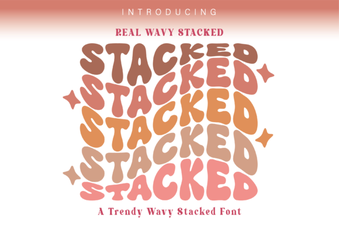 Wavy Font Styles for Creative Web Design
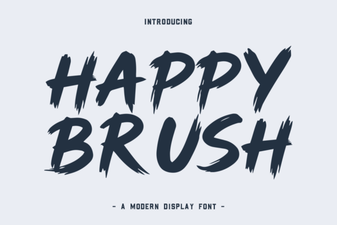 Happy Brush Font Ideas for Joyful Projects
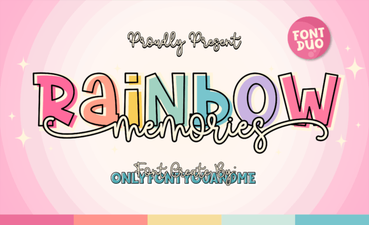 A Creative Typeface for Nostalgic Designs
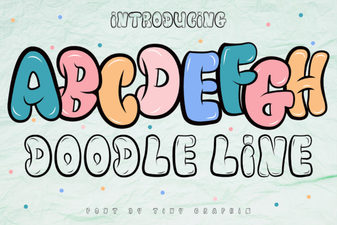 Doodle Line Font: Creative Typography for Your Projects
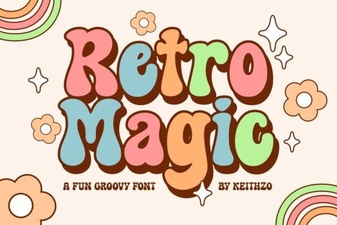 Retro Magic Fonts for Creative Design Projects
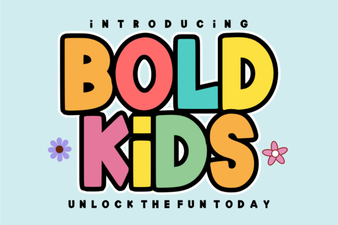 Creative Projects & Design Tips for Bold Kids Fonts